There’s a lot that goes into regular car maintenance. Just as your car’s engine, transmission, and brakes need regular servicing to maintain the best performance, so does your car’s electrical system. If part of your car’s electrical system starts to fail, it will impact much more than just your radio or power windows. It can make it difficult or impossible to get your car started and have the power you need while driving.
Related: Bad Battery Signs
Related: Cold Weather Battery Care
Related: Battery Replacements 101
There Are Many Parts to Keep Your Car’s Electrical System Working
At the most basic level, your car’s electrical system includes both a starting system and a charging system. These are responsible for starting your engine and keeping your battery from dying, respectively. Each of those systems includes several different parts to keep it working well and all of those parts should be checked from time to time to ensure they aren’t failing. You’re likely to notice symptoms with your car’s performance if there’s a real problem but sometimes they can sneak up on you and cause some serious safety hazards.
The Starting System Gets Your Engine Running
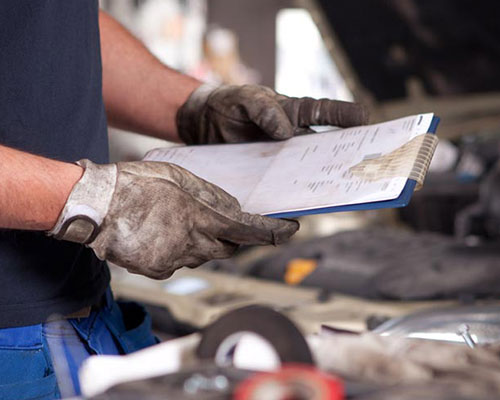
When you turn your car key in the ignition, what happens? Several parts, including the starter motor, starter solenoid, starter relay, neutral safety switch, and ignition switch, work together to ensure your engine starts. Problems with this system will mean you have difficulty starting your car – or it may not be able to start at all.
The Charging System Keeps Your Battery Charged
Your car battery is essential to getting your engine up and running – but how does it stay healthy and charged? The charging system helps keep your car battery from dying so that it can continue to power your car and all of its electronic accessories and even a sophisticated computer system. A failing charging system poses more of a risk than just inconvenience, so you want to make sure it’s kept in good shape by a trusted mechanic.
What Will a Mechanic Do During Electrical System Servicing?
If that sounds like a lot to check up on, it is. During an electrical system service appointment, your mechanic will take a look at the key parts of your car’s electrical system, including the alternator, drive belt, voltage regulator, starter, ignition switch, neutral safety switch, and battery cables and terminals. These are the most important parts of the electrical system to keep an eye on.
Test the Battery
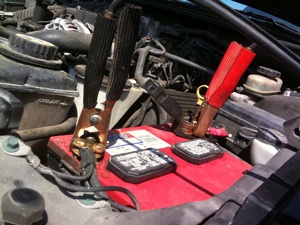
Testing your car’s battery to see how well it’s able to hold a charge is easy enough for a mechanic. It’s also good to take a look at the cables and terminals that transfer power away from the battery to other parts of your car. If those cables or terminals are worn, dirty, or corroded, it can impact both your battery’s ability to charge and the ability to transfer that power to where it needs to go.
Check the Starter, Ignition Switch, and Neutral Safety Switch
The neutral safety switch prevents an automatic transmission from starting when not in Park or Neutral. If your car were to start while in gear, it would lurch forward. This poses a safety hazard, especially if done on accident without realizing you’re in gear and therefore unprepared for the lurch forward. Your starter and ignition switch are responsible for starting your car’s engine. If any of these are failing, you may not be able to start your car or you may be able to start it inconsistently.
Inspect the Alternator
Your car’s alternator lasts a long time but is also key to keeping your battery charged. If you’ve ever been told to drive your car for a while after jumping your battery, it’s because your alternator charges your battery while the engine is running. If the alternator is failing, your car battery will not be charged adequately and you may experience frequent dead batteries, even with a newer battery.
Ensure the Drive Belt is Not Over-Worn
Your drive belt, also sometimes called the serpentine belt, is essential to keep your car running. Every car has one or two drive belts that are connected to key mechanical components, including the alternator, water pump, power steering pump, and A/C compressor. That means if the drive belt wears out, all of those components will fail to work. Each drive belt will last a good amount of time, typically about 40,000-70,000 miles. However, replacing your drive belt before it fails will save a lot of grief and expensive car repairs. Checking your owner’s manual will give you the most accurate information on maintenance and replacement intervals for your car’s drive belt, as well as other required or recommended regular maintenance.
Time for an Electrical System Service? Call AAMCO Minnesota!
Keep your car’s electrical system in tip top shape. Whether you’re noticing problems or it’s just been a while since your last electrical system service, give us a call at AAMCO Minnesota and we’ll make sure all electrical components are in good shape and not at risk of failure.
More from our Blog
Do You Have a Bad Torque Converter or a Bad Transmission?
Modern automatic transmission cars do most of the work for you. Whether you’re cruising down the highway or winding through city streets, you don’t have to worry about shifting gears as you speed up and slow down in an automatic transmission vehicle. This is because...
Minnesota Car Inspection & What to Expect
You’ve been told you should schedule a vehicle inspection – but what are you getting into? A car inspection is a great way for your mechanic to get an understanding of your car’s overall condition and any services essential car systems may need. Whether it’s a car you...

Minnesota Road Trip Destinations
Are you itching to hit the open road? Luckily you don’t have to drive too far to enjoy a scenic drive and take in the sights. Minnesota offers several beautiful road trip destinations to make over a weekend – or longer. Let winding roads, shorelines, state parks, and...
Do You Have a Bad Torque Converter or a Bad Transmission?
Modern automatic transmission cars do most of the work for you. Whether you’re cruising down the highway or winding through city streets, you don’t have to worry about shifting gears as you speed up and slow down in an automatic transmission vehicle. This is because...
Minnesota Car Inspection & What to Expect
You’ve been told you should schedule a vehicle inspection – but what are you getting into? A car inspection is a great way for your mechanic to get an understanding of your car’s overall condition and any services essential car systems may need. Whether it’s a car you...
Minnesota Road Trip Destinations
Are you itching to hit the open road? Luckily you don’t have to drive too far to enjoy a scenic drive and take in the sights. Minnesota offers several beautiful road trip destinations to make over a weekend – or longer. Let winding roads, shorelines, state parks, and...
Are You Making These Transmission Mistakes?
Even decade-long drivers have some mistakes they make when it comes to their car and driving habits. If any of these sound familiar or you’ve caught yourself doing them over the years, don’t feel bad – but they could be impacting your car’s transmission. All of your...
Schedule An Appointment

Find Your Local Minnesota AAMCO
Call your nearest location today.
Each AAMCO Minnesota Transmission & Auto Repair Shop is independently owned and operated. Looking for transmission repair services in the Minnesota Twin Cities area?
Navigate our Blog
Recent Posts
[display-posts posts_per_page=”5″]
Categories
- AAMCO Diagnostics Center
- Air Conditioning
- Blog
- Brakes
- Brakes, Tires, & Suspension
- Check Engine Light
- Colorado Automotive Advice
- Community Involvement
- Electrical
- Electrical
- Engine
- Exhaust System
- Featured Articles
- Infographic
- Maintenance
- Muffler
- Muffler & Exhaust
- news
- Oil Change
- Online Mechanic
- Radiator
- Radiator & Cooling System
- Safety
- Services
- Suspension
- Suspension System
- Total Car Care
- Transmission
- Transmissions
- Videos